Why People Respond: The Psychology Behind Postcards
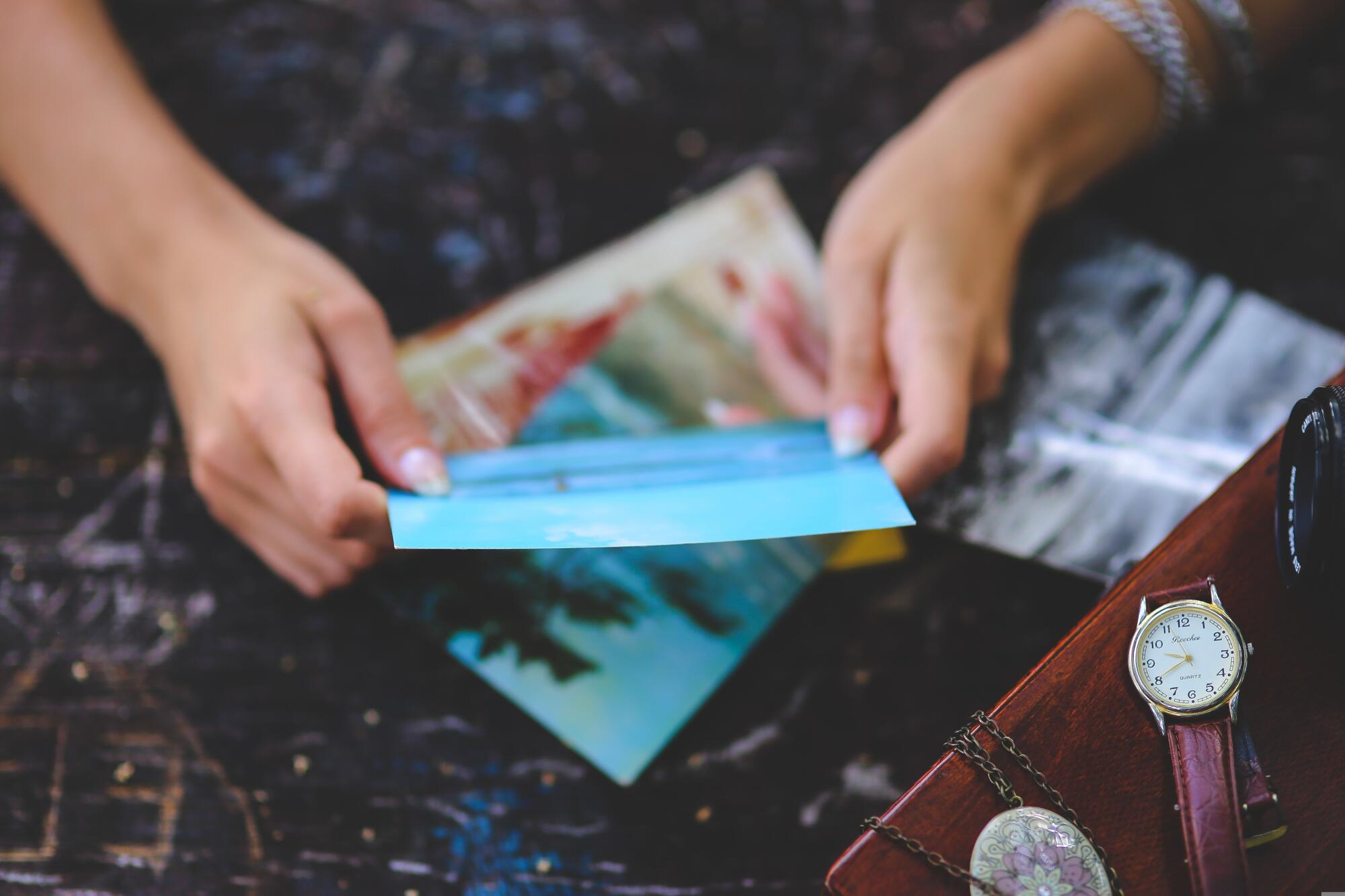
Why do postcards still work in a world full of emails and ads? Even with digital noise everywhere, a simple postcard can grab attention fast. People like to touch, see, and read something real.
A postcard feels personal and easy to read, which lowers effort for the reader. It does not need a click, a password, or a long wait. This simple format connects with how the human mind works. Understanding why people respond helps businesses create postcards that feel friendly, clear, and worth acting on.
Instant Attention Through Simple Design
Postcards work because they are easy to see and fast to read. There is no envelope to open, so the message appears right away. The brain likes simple layouts with clear images and short text. Bold colors and strong headlines help guide the eyes.
When people understand the message in seconds, they feel less pressure. This quick clarity makes them more open to reading and responding without feeling overwhelmed.
Emotional Triggers Build Stronger Connections
Emotions play a big role in decision-making. Postcards that use warmth, humor, or care can create positive feelings. A friendly photo or kind message can remind people of trust and comfort.
When readers feel understood, they are more likely to act. This is why stories, faces, or local images work well. The right emotion turns a simple card into a meaningful message that stays in mind.
Familiarity and Trust Increase Response Rates
People trust what feels familiar. Postcards sent regularly help build recognition over time. Using the same colors, logo, or tone makes your brand easier to remember.
When something looks known, the brain feels safer. This trust reduces doubt and hesitation. Many marketers rely on the psychology of postcard responses to create comfort and consistency that lead readers to take the next step with confidence.
Clear Offers Reduce Mental Effort
The brain prefers easy choices. A postcard with one clear offer works better than many options. Short phrases like “Call today” or “Visit our site” guide action.
When people know exactly what to do, they feel less stress. Simple offers save mental energy. This makes it more likely that readers will respond quickly instead of putting the card aside.
Timing and Personal Touch Matter
Right timing increases impact. A postcard sent at the right moment feels helpful, not random. Adding a name or local detail makes the message feel personal. People respond better when they feel seen.
Even small touches can boost interest and care. When timing and personalization work together, postcards feel less like ads and more like friendly reminders.
Make People Respond by Understanding the Psychology Behind Postcards Now
Postcards succeed because they match how people think and feel. They are simple, clear, and easy to trust. By using smart design, emotion, and clear messages, postcards reduce mental effort and build connection. They stand out in a busy world by being calm and direct.
When you understand the psychology behind responses, you can create mailers that feel natural and persuasive. These ideas can help any business improve results and build stronger relationships over time.