
Efficient Electrical Distribution Systems for Demanding Applications
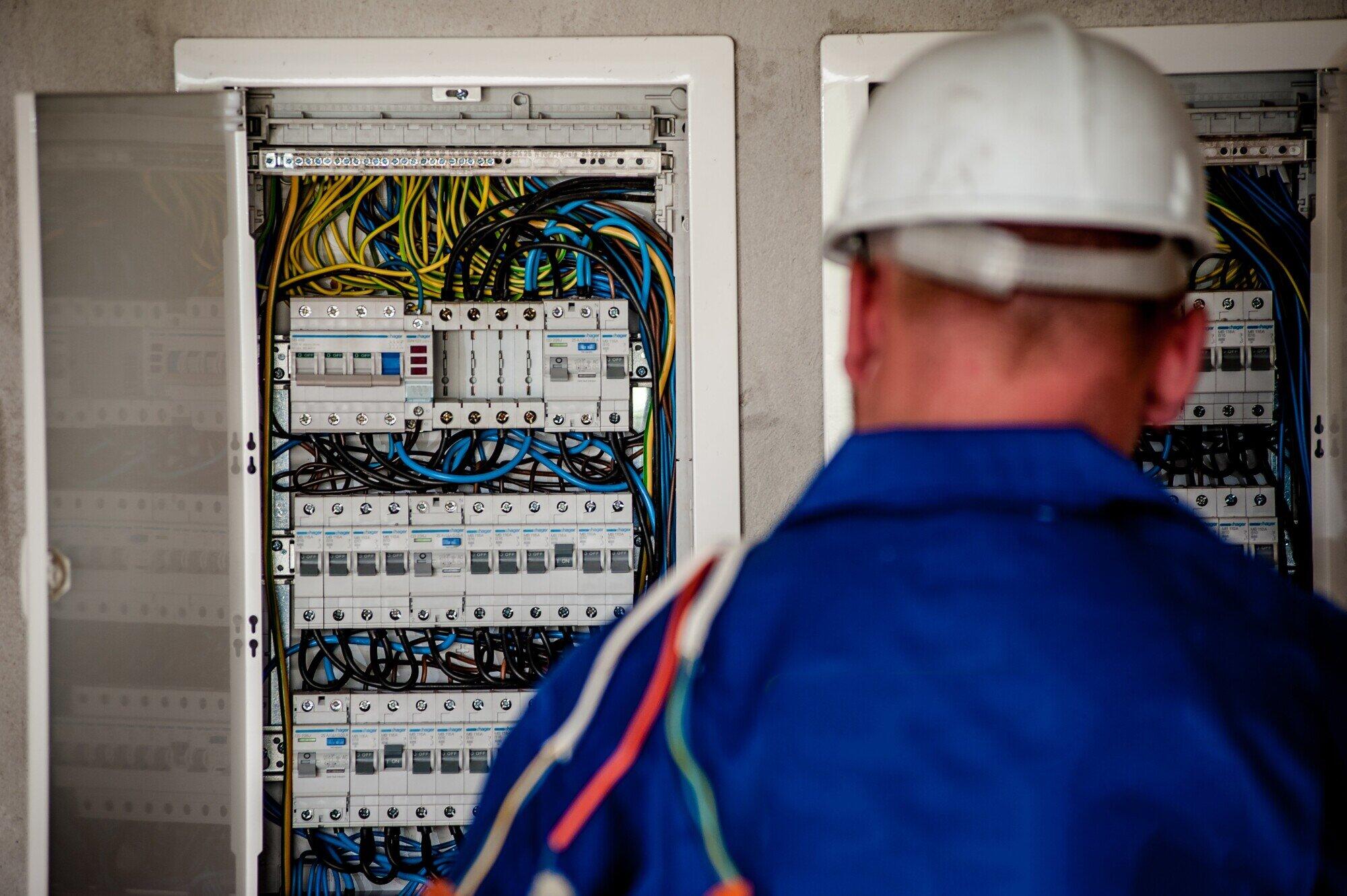
Electrical distribution systems provide power for daily operations in many places. They move energy to where it is needed. When demand goes up, keeping power steady is very important.
Electrical distribution systems must handle heavy use without breaking. They help keep things running smoothly under constant load. Strong designs make sure systems stay steady and controlled.
In this blog, we will explore efficient electrical distribution systems designed to handle demanding applications reliably and safely.
Scalable Electrical Architectures Built for Growth
Scalable electrical architectures help power systems grow easily. Facilities can get bigger without changing everything. New power can be added as demand grows.
These designs meet the changing needs of energy use. Small businesses and big factories both need scalable systems. Flexible systems can handle different ways to manage electrical loads.
Using modular designs makes systems more flexible. Businesses can adjust to new needs fast. Good planning keeps growth smooth and safe.
Precision Load Balancing to Prevent System Strain
Precision load balancing is key to keeping power systems working well. It makes sure all parts handle the right amount of power. This stops equipment from being overloaded or stressed.
Load balancing helps power systems last longer. It also lowers the chance of failures and downtime. Using good load management keeps operations running smoothly.
Monitoring tools give data to guide changes. Quick responses to load shifts improve system performance. Focusing on precise load balancing keeps systems reliable and efficient.
Fault-Tolerant Designs for Continuous Operation
Fault-tolerant designs help keep power systems running. They make sure electricity works even if something breaks. This lowers the chance of outages.
Using backups and extra systems adds stability. Important equipment stays protected, and power keeps flowing. Industries that need constant power rely on this design.
Adding fault-tolerant measures improves safety and performance. It also cuts costs from system problems. Strong designs like this support reliable operations.
High-Efficiency Power Routing for Heavy-Load Environments
High-efficiency power routing helps move energy well in busy systems. It lowers energy loss and makes electrical distribution systems work better. Using good cables and connections is very important.
In places with heavy power use, routing energy the right way is key. Careful planning supports industrial power solutions and keeps systems strong. Using quality power cables helps reduce energy loss.
Advanced routing methods make system design better. Focusing on efficiency gives steady power for high-demand work. This careful approach cuts costs and improves performance.
Advanced Protection Strategies for Critical Circuits
Advanced protection strategies keep important circuits safe. They use tools like circuit breakers and surge protectors. These tools help stop power problems.
These strategies prevent overloads and short circuits. Facilities can upgrade while power stays safe. Using them is very important for steady operations.
They can also work with existing power systems. Following safety rules lowers risks and keeps systems safe. Strong protection helps build a reliable infrastructure.
Thermal Control Solutions for High-Demand Power Flow
Thermal control solutions help keep electrical systems cool. High power use makes heat, which can break equipment. Good thermal control keeps systems working well.
Using fans and heat sinks helps control temperature. These tools stop overheating and make parts last longer. Focusing on thermal control makes systems more reliable.
Checking temperatures often can help find problems early. This allows quick fixes to keep systems safe. Strong thermal control builds a reliable electrical system.
Smart Monitoring for Real-Time Performance Insight
Smart monitoring gives real-time information about system performance. Facilities can track energy use with modern tools. This data helps make better decisions at all levels.
These monitoring systems warn users about problems before they get worse. Finding issues early can save time and money. Regular checks improve electrical load management.
Smart systems work with existing power solutions for efficiency. This approach helps operations run more smoothly. Using smart monitoring keeps performance high over time.
Rapid Response Systems for Power Quality Issues
Rapid response systems tackle power quality issues quickly. These systems identify and resolve inconsistencies in power supply, ensuring stability. Effective methods significantly enhance the performance of electrical distribution systems.
By integrating real-time monitoring, facilities can respond to issues as they arise. This proactive approach minimizes downtime and protects critical operations. Maintaining quality is vital in fluctuating power environments.
Investing in these systems ensures that businesses remain competitive. Fast response times lead to greater reliability and operational success. Focusing on rapid response mechanisms fortifies overall electrical load management.
Space-Optimized Layouts Without Compromising Safety
Space-optimized layouts focus on using space well. Compact electrical distribution systems help facilities save space. A good layout also makes it easier to reach controls and equipment.
Even when space is limited, safety remains a top priority. Designs follow rules to keep systems secure. Using space efficiently does not reduce the reliability of power distribution systems.
Careful planning creates practical and effective layouts. Facilities can set up spaces that keep work safe and smooth. Balancing space and safety makes a strong electrical system.
Compliance-Driven Designs for Regulated Industries
Compliance-driven designs are important for industries with strict rules. These designs follow standards while keeping systems working well. Meeting compliance helps systems stay safe and effective.
Organizations need to keep up with regulations to avoid problems. Focusing on compliance builds trust and long-term reliability. Strong electrical infrastructure can be made with these practices.
Adding compliance measures early in the design process works best. Facilities can lower the need for changes later and run smoothly. Using compliance-driven designs helps create a safe and reliable energy system.
Modular Distribution Frameworks for Flexible Deployment
Modular distribution frameworks enable adaptable setups for different applications. These solutions facilitate easy adjustments based on specific requirements. Flexibility helps organizations respond to changing needs efficiently.
Using modular systems allows for effective scaling. Facilities can add or remove sections without disturbing overall functionality. This adaptability can lead to better resource management across all operations.
Moreover, these frameworks promote innovation in power distribution. As technology advances, modular designs can integrate new components. Prioritizing modular solutions sets the stage for future growth and improvement.
Ensuring Reliability with Electrical Distribution Systems
Electrical distribution systems give power to keep work running. Strong systems handle heavy use and high demand. Using good designs helps keep facilities safe and working well.
Investing in scalable, fault-tolerant, and efficient systems makes power steady. Smart layouts and monitoring keep systems running smoothly. Take steps now to improve your power setup and keep energy flowing reliably.
Did you find this article helpful? Explore our other blog posts for more insights.


