Maximize Home Office Efficiency with Ergonomic Solutions

Could daily discomfort and low focus be traced back to a poorly designed home office? Many workspaces still follow habits formed without care for posture or long hours. A well-arranged office reflects proven practices that value health and order.
Simple ergonomic changes can reduce strain and support steady work. These ideas are not trends but sensible improvements rooted in common sense. Small updates can protect the body and sharpen attention.
This guide promises clear steps to build a healthier, more productive home office. Keep on reading!
Assessing Your Workspace
A home office should be reviewed with the same care as a traditional workplace. Room size, desk position, and walking space affect comfort and order. A clear layout supports focus and reduces daily stress.
Furniture should fit the room without crowding movement paths or blocking light. Older offices favored balance and symmetry because they helped calm the mind. That same approach still works well today.
Power outlets, storage, and tools should be within easy reach at all times. Reaching or twisting often leads to slow strain over months. A thoughtful assessment creates a solid base for all ergonomic improvements.
Choosing Supportive Office Seating
A chair is the foundation of any serious workspace. Traditional office design always valued strong back support and steady posture. A proper chair keeps the spine aligned during long tasks.
Seat height should allow feet to rest flat on the floor. Armrests must support relaxed shoulders without lifting them upward. These classic rules remain reliable for modern work.
Materials should be firm yet comfortable for extended use. Overly soft chairs were never favored in professional settings. Supportive seating promotes steady energy throughout the day.
Desk Height And Layout
How high your desk is can affect your shoulders, neck, and arms. The older drafting tables were made so that the worker could reach them. A good ergonomic layout is still based on this idea.
When you type, your forearms should rest flat on the desk. Shoulder pain is caused by a desk that is too high. Over time, a desk that is too low hurts your back.
The layout should put the most important tasks in the middle. In traditional offices, side twisting was long frowned upon. A well-balanced desk makes it easier to work quickly and easily.
Screen Placement And Viewing
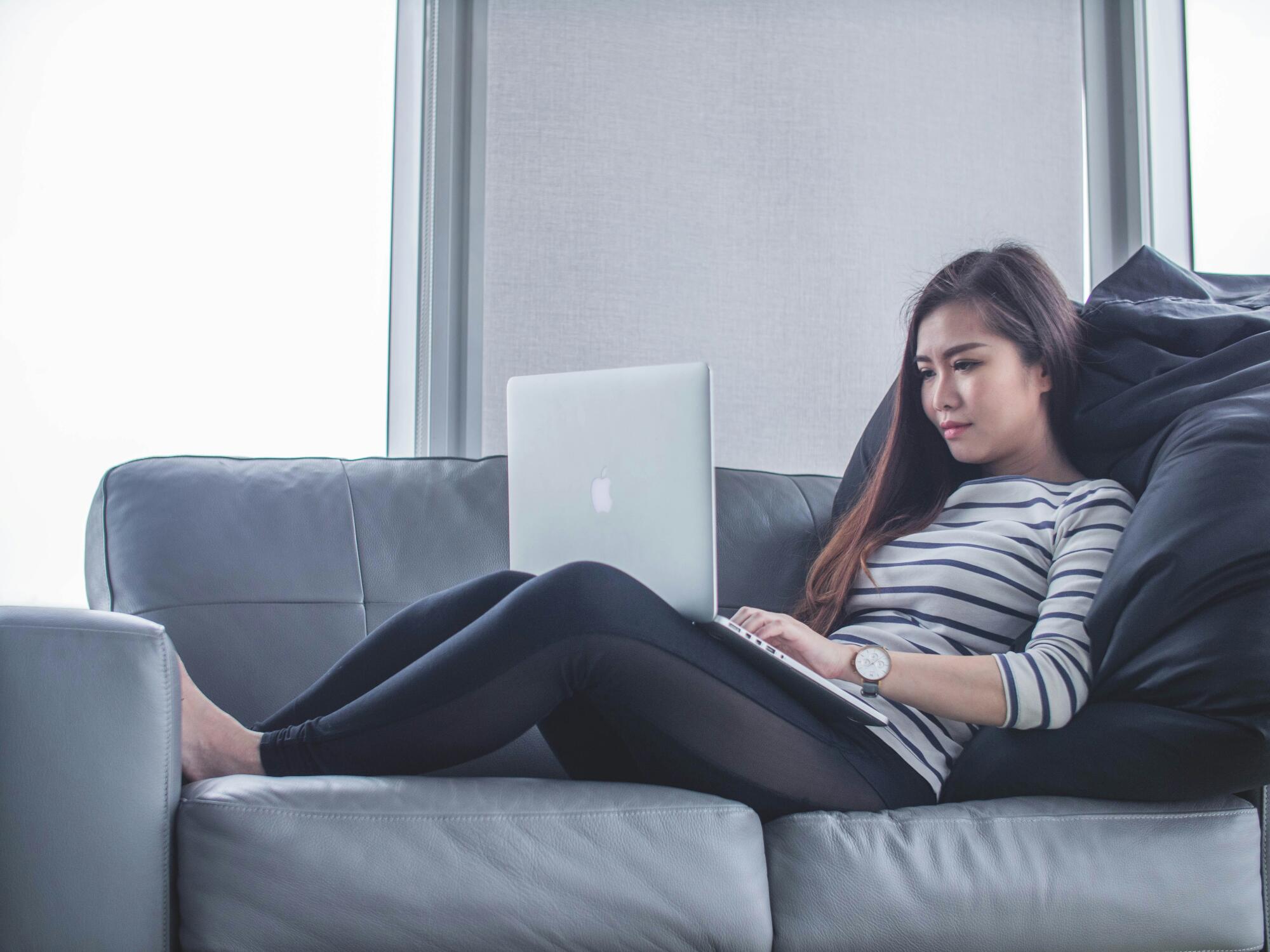
Screens should be put up with thought and care. Back in the day, office planners stressed looking straight ahead to keep the neck healthy. That advice is still good and useful.
The screen’s top should be close to eye level. The distance should let you see clearly without having to lean forward. The right placement keeps your eyes and neck from getting tired after long sessions.
The position of the light and the angle of the screen must be used to control glare. Natural light can be controlled with curtains or shades. A screen in the right place helps you focus and keep your posture straight.
Keyboard And Mouse Comfort
Watch out for your hands and wrists when you’re working every day. In the old days, typing rooms stressed neutral wrist positions. This approach helps keep you from being in pain for a long time.
The keyboard shouldn’t be too far away for you to have to reach it. It should be parallel to the mouse, which should rest at the same height. Over time, simple, smooth movements are better for the joints.
When talking about ergonomic planning, Ergotronix is often brought up as a good option because they make useful workspace solutions. Tools should allow your hands to move naturally without putting too much strain on them. Long-term efficiency comes from being comfortable with small movements.
Lighting For Daily Tasks
Good lighting has always been an important part of getting work done. In older offices, even lighting was more important than harsh glare. This tradition is still important now.
When possible, natural light should be used, but it shouldn’t shine right on screens. Desk lamps should shine light on the work at hand, not your eyes. Even lighting makes it easier to concentrate and lessens tiredness.
A steady, warm light helps you stay calm at work. Over time, flickering or dim light makes things tense. Proper lighting follows tried-and-true rules for the workplace.
Organizing Tools And Storage
Discipline and order have been linked for a long time. In the past, drawers and shelves were used to keep offices organized. The same method makes work easy these days.
Things that you use often should be kept close at hand. When not in use, tools should be kept in a locked cabinet. Clear surfaces make it easier to focus and think clearly.
Sticky notes and easy systems help you save time every day. Consistent organization keeps people from wasting time. Keeping the office clean shows that you are careful and polite at work.
Movement And Break Habits
Even well-designed offices made people want to move around a lot. It was taught to clerks and craftsmen to stop and stretch. For long hours, this habit keeps the body safe.
Taking short breaks can help your posture and blood flow. Standing or walking for a short time is good for your joints. These breaks help you concentrate when you get back to work.
Gentle movement keeps you from getting stiff and tired. Work and rest should be done in a steady rhythm. Regular, tried-and-true habits help you stay productive over time.
Personal Touches And Balance
A home office should be clean and comfortable at the same time. In traditional spaces, simple personal items were common. These little touches made working more pleasant and less of a bother.
Warmth can be added by indoor plants, art, or family photos. Choose your items carefully and don’t add too much. It’s still important to find a balance between comfort and discipline.
A calm setting helps you think clearly. It’s hard to see when there are too many decorations. Personal touches that show thought finish off a well-designed office.
Improve Your Home Office Setup With Ergonomic Solutions
Utilizing ergonomic solutions to maximize productivity in your home office is rooted in ideas that have benefited workers for generations. The right chair, desk, lighting, and organization can help you focus and keep your body safe.
These options help ease stress and maintain steady productivity over time. A clean and organized workspace shows that you care about your daily work and are disciplined. If you use these tried-and-true tips, your home office can become a place of comfort and purpose.
Did you like this guide? Great! Please browse our website for more!