
Home Exterior Tips For Dealing With Unexpected Hail Damage
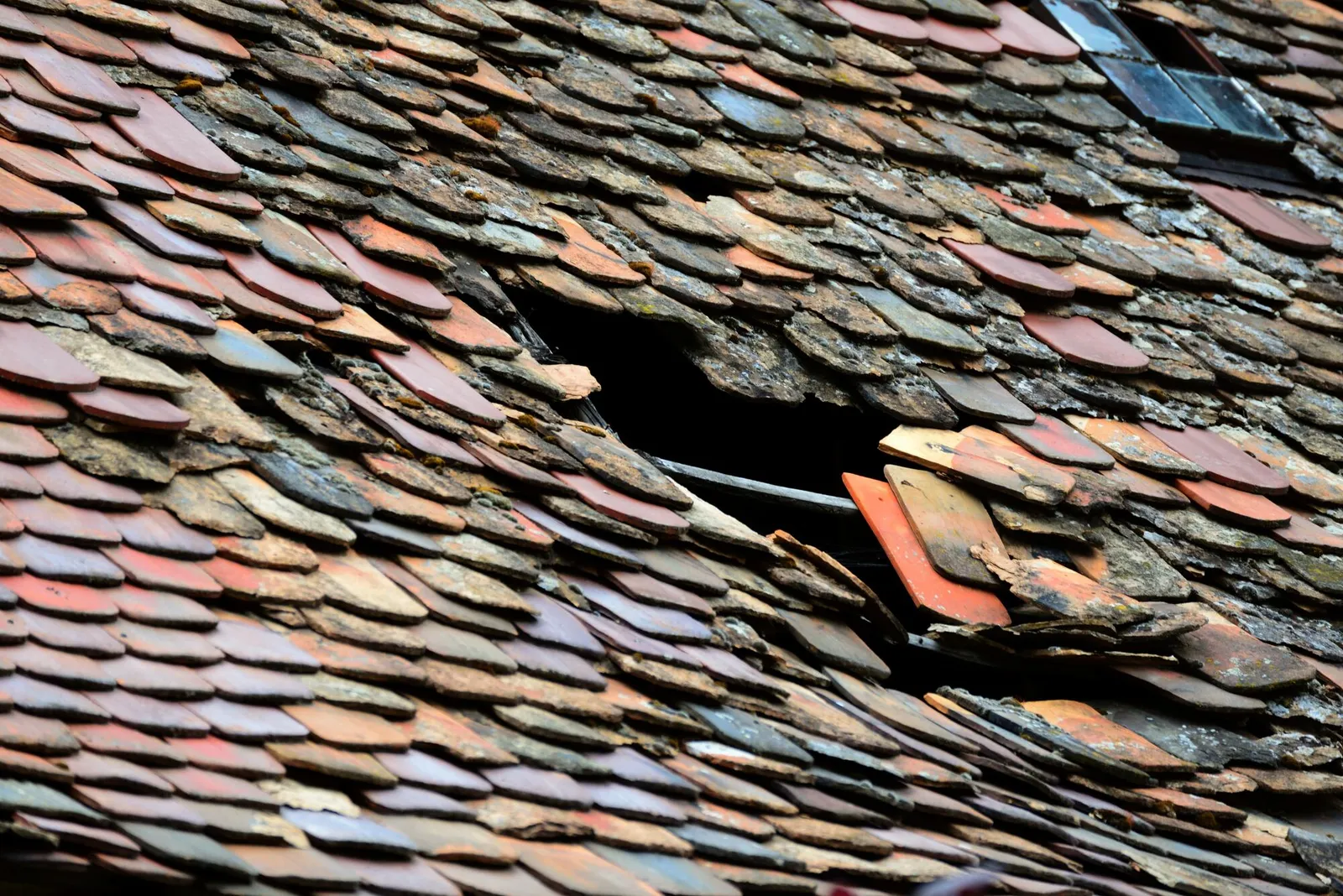
A sudden hailstorm can turn a quiet afternoon into a stressful mess for any homeowner. Large chunks of ice falling from the sky can dent metal, crack vinyl, and bruise roof shingles in just a few minutes. Even a storm that lasts only five minutes can leave behind expensive problems. Knowing what to do right after the clouds clear helps you protect your house from water leaks and costly repairs down the road.
Taking the right steps early makes the whole recovery process much smoother. You do not need to climb onto a slippery roof or guess at the extent of the damage. A calm, step-by-step approach keeps you safe and sets you up for a successful repair project.
Stay Safe Before Inspecting Your Property
Your personal safety always comes first after severe weather passes. Wait until the storm has completely moved out of your area and the sky is clear before stepping outside. Wet surfaces, strong gusts of wind, and downed power lines create serious hazards right after a storm.
Put on sturdy, closed-toe shoes before walking around your yard. Broken glass, sharp metal scraps, and fallen tree branches often litter the ground after heavy hail. Keep children and pets indoors until you have checked the yard and cleared away any dangerous debris.
Never climb a ladder onto your roof right after a hailstorm. Wet shingles are extremely slick, and damaged roof decking might not support your weight safely. You can spot most major exterior clues from the safety of the ground using a good pair of binoculars.
Look For Common Signs Of Roof Damage
Your roof takes the hardest hit during a hailstorm because it faces straight up toward the falling ice. Even if you do not see water dripping from your ceiling yet, your shingles could still be badly bruised or cracked. Catching roof problems early stops small weak spots from turning into major leaks during the next rainstorm.
Walk around the perimeter of your house and scan the roofline carefully. Look for these warning signs from the ground:
- Missing or cracked roof shingles
- Dark bruises on asphalt surfaces
- Granules piled in gutter downspouts
- Dented metal roof vents
- Damaged flashing around the chimney
Check Your Siding, Windows, And Doors
Hail rarely falls straight down because strong winds usually push the ice sideways against the walls of your home. Your siding, windows, and exterior doors can suffer heavy impacts on the side facing the storm. Walk slowly along every wall of your house and inspect the surfaces at eye level.
Look closely at vinyl siding for cracks, chips, or holes punched straight through the panels. Wood and fiber cement siding may show split boards, chipped paint, or deep gouges. Aluminum siding often shows obvious round dents that catch the sunlight at certain angles.
Inspect your window frames, screens, and glass panes as well. Look for these specific issues around your openings:
- Torn or bent window screens
- Cracked or shattered glass panes
- Chipped paint on wood trim
- Dented aluminum window wraps
- Cracked caulking around door frames
Hire A Trusted Local Exterior Contractor
Choosing the right repair team makes all the difference in how well your home holds up for years to come. Look for an established, licensed, and insured company with strong local reviews and a physical office nearby. Be cautious of out-of-town storm chasers who knock on doors right after severe weather and pressure you to sign a contract on the spot.
Ask potential contractors for written estimates that list all materials, labor costs, and warranties clearly. If you live in southern Wisconsin and need reliable Madison hail damage repairs or repairs in your area, working with a trusted local crew ensures your roof and siding are restored properly. A reputable team will guide you through material choices and answer your questions honestly without rushing you.
Document Everything With Clear Photos
Good records make filing an insurance claim much easier and faster. Before you clean up debris or move damaged items, grab your smartphone or camera and take plenty of pictures. Clear visual proof shows your insurance company exactly what happened during the storm.
Start by taking wide shots of each side of your house to show the overall condition of your property. Next, move closer and take detailed photos of every dent, crack, and missing shingle you spotted. Place a coin, ruler, or tape measure next to the dents in a few photos to show the true size of the hail impacts.
Write down the date and approximate time the storm hit your neighborhood. Save local weather reports or news alerts mentioning hail in your area, as this helps confirm the storm event for your insurer.
Make Temporary Repairs To Prevent Leaks
If the storm broke a window or tore an opening in your siding, act quickly to keep rain and pests out of your house. Temporary fixes protect your interior rooms while you wait for permanent repairs to begin. Always keep your receipts for any supplies you buy, because your insurance policy may reimburse you for emergency materials.
Cover broken windows with heavy plastic sheeting and sturdy duct tape, or board them up with plywood if the opening is large. If water is dripping inside your home, place buckets under the leak and move furniture or rugs out of the way.
Contact Your Homeowners Insurance Provider
Once you have photos and notes ready, call your homeowners insurance company to report the storm damage. Ask your agent about your policy coverage, your deductible amount, and the deadline for filing a hail claim. Most policies have a set time limit after a storm to submit your paperwork.
Your insurance company will schedule an adjuster to visit your home and inspect the exterior. Be present during this visit if you can, and share the photos and list of damaged areas you gathered earlier. Having your own contractor present during the adjuster’s inspection can also help ensure nothing gets overlooked.
Protect Your Home For Future Storms
After your exterior repairs are finished, consider upgrading a few materials to help your home resist future hailstorms. Impact-resistant asphalt shingles carry special ratings that show they can handle harder hits without cracking or losing granules. Many insurance companies even offer lower monthly premiums when you install certified impact-resistant roofing.
Visit this website: How to Know When It Is Time to Remove Trees in Your Yard
A well-maintained home exterior handles rough weather much better than a neglected one. Looking for more tips and ideas? We’ve got you covered. Check out some of our other posts now.


