
How to Know When It Is Time to Remove Trees in Your Yard
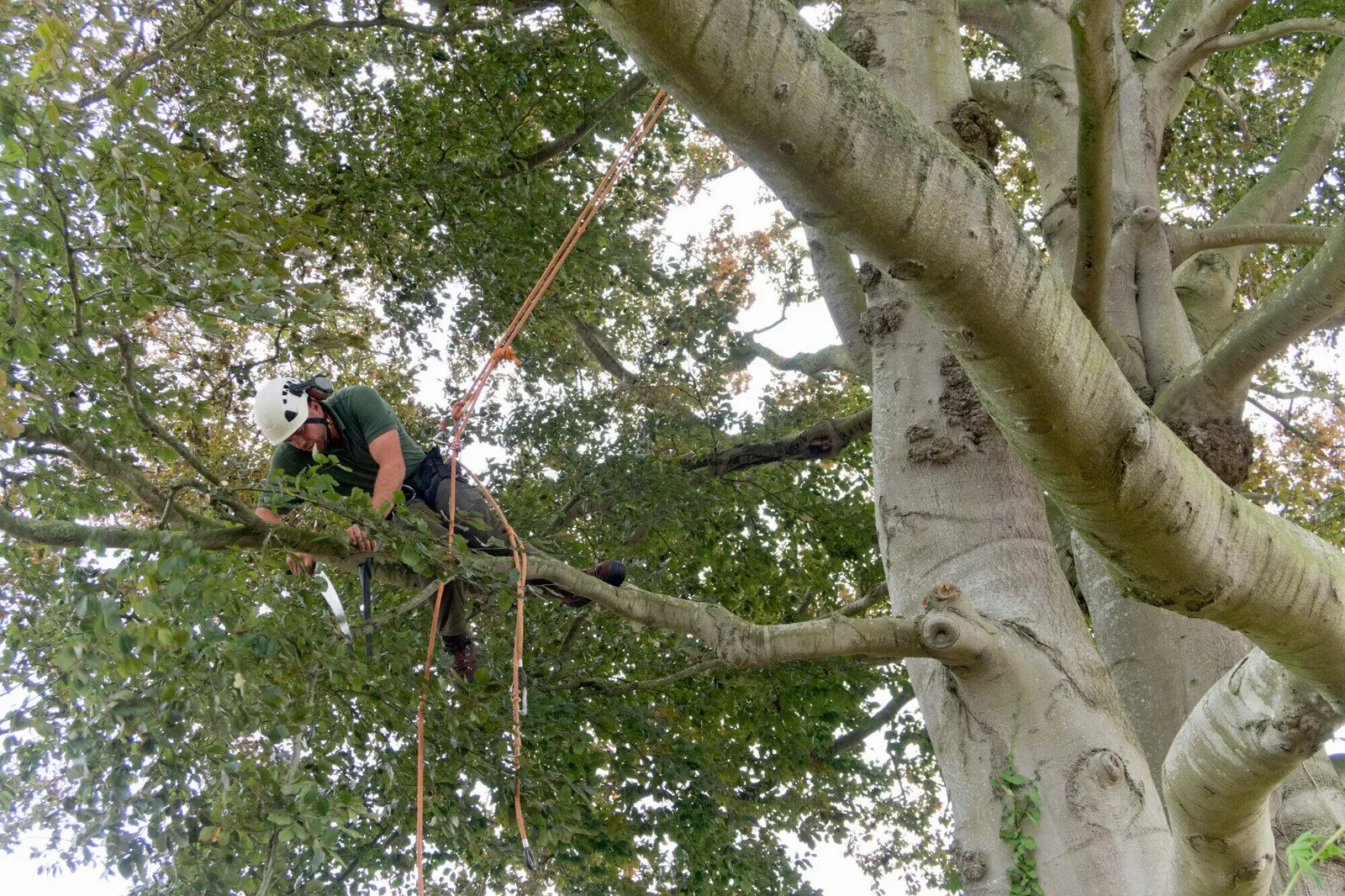
Have you ever wondered if a tree in your yard is becoming a safety risk? Many people enjoy having trees, but sometimes they can become dangerous.
A sick or damaged tree can threaten your home and family. Knowing when to remove a tree can prevent accidents and property damage. It is not always easy to decide when to cut down a tree.
Some warning signs are clear, while others are not so obvious. By reading this guide, you will learn the key signs that mean it is time to say goodbye to a tree. Read on!
Signs of a Hollow Trunk
A hollow trunk is a major sign that a tree is in trouble. When the inside of a tree starts to rot, it loses strength fast. Even if the tree looks healthy outside, a hollow trunk is dangerous.
Storms or strong winds can easily break a hollow tree. Animals sometimes make homes in hollow areas, which can speed up the decay.
If more than a third of the trunk is hollow, the tree is at serious risk. Checking for soft spots or sawdust can help spot hidden damage. Removing a tree with a hollow trunk is often the safest choice.
Dead or Dying Branches
A branch that is either dead or dying is a significant warning sign. There is a risk of injury if these branches fall without any prior warning. Watch for branches that are devoid of bark and leaves.
During a storm, they may occasionally break off. The entire tree may be dying if most of its branches have died. Removing these branches may be beneficial, but sometimes the damage is too severe.
Trees with a significant number of dead branches may require tree removal. Acting before an accident occurs is the safer course.
Leaning Trees and Uneven Canopies
A tree that leans to one side can be dangerous. Especially in strong wind or heavy rain, leaning trees can topple over. If the tree is leaning toward a house or a play area, the circumstances are even more precarious.
Sometimes the roots become damaged, causing the tree to lose its equilibrium. Uneven canopies, in which one side is heavier than the other, are another sign of trouble. The tree may become even more unbalanced because of the weight.
When a tree suddenly leans more than it did before, it is time to act. Removing something quickly can help prevent serious damage.
Fungal Growth at the Base
It is not a good sign if fungi are growing around the base of a tree. Mushrooms and other unusual growths often indicate that the tree’s roots are rotting. When a tree’s roots rot, it loses support and becomes more likely to fall.
Although fungal growth may appear harmless, it actually indicates more serious issues within the tree. Fungi can attract insects and other pests. If you notice any growths, such as mushrooms, check the tree for additional warning signs.
Because root rot is difficult to treat, do not ignore this clue. The only safe solution may be to cut down the tree.
Cracks and Splits in the Trunk
Cracks and splits in the trunk weaken a tree. They often appear after storms or heavy snow. If a crack is deep or runs through the trunk, the tree can break apart.
Small cracks may heal, but large ones are risky. When a tree splits, it cannot support its weight well. Over time, these cracks can worsen and cause sudden collapse.
Inspect your trees regularly for new cracks. If you notice major splits, consider tree removal before it fails.
Excessive Leaf Loss or Discoloration
A healthy tree should have full, green leaves during the growing season. If a tree loses leaves early or they turn brown, something is wrong. Leaf loss can signal disease, pest problems, or root damage.
Sometimes, only one side of a tree loses leaves, indicating a localized issue. Discolored or spotted leaves are also a bad sign. If the whole tree is affected, it may not recover.
Continued leaf loss year after year means the tree is declining. Removing the tree may be the best option to prevent hazards.
Root Damage and Uplifted Soil
Roots anchor a tree. Root damage makes the tree unstable. Construction near a tree or digging can hurt the roots.
If you see soil lifting around the base, the roots may be pulling out of the ground. This is very dangerous, especially during storms. Trees with exposed or damaged roots often show other signs of stress.
Watch for cracks in the soil or roots sticking above ground. A tree service company can check for root damage and advise you on next steps. Removing a tree with root problems is often necessary.
Pest Infestation and Disease
Insects and disease can quickly weaken a tree. Look for holes in the trunk, sawdust, or sticky sap. These are signs of insect activity.
Fungal spots, cankers, or oozing areas may indicate disease. Pests and diseases spread fast from one tree to another. If a tree has a severe infestation or infection, it may not survive.
Removing the tree can stop the problem from spreading. Acting early can protect the rest of your yard.
Nearby Property or Utility Threats
Some trees grow too close to homes, driveways, or power lines. These trees can cause damage if they fall or drop large branches. Roots may also break sidewalks or invade pipes.
Trees near utility lines are especially risky during storms. If a tree threatens buildings or utilities, it is best to remove it before anything happens.
City rules may require removal in some cases. Protect your property by removing risky trees early. Preventing problems is easier than fixing damage later.
Smart Choices for a Safer Yard
Choosing the right time to cut down a tree is not always simple, but it is crucial. Damaged trees pose a significant threat, but healthy trees add beauty to the landscape. Knowing the warning signs helps you avoid accidents and expensive repairs.
Look for trees with hollow trunks, dead branches, and leaning trunks. Watch for root damage, pests, and diseases.
When in doubt, consult a professional. You can maintain your yard’s beauty and safety by taking action early.
See more: Clear Hazardous Trees Quickly With Trusted Removal Solutions
Did you like this guide? Great! Please browse our website for more!