
Preparing Your Roof for Winter Snow & Freeze-Thaw Cycles
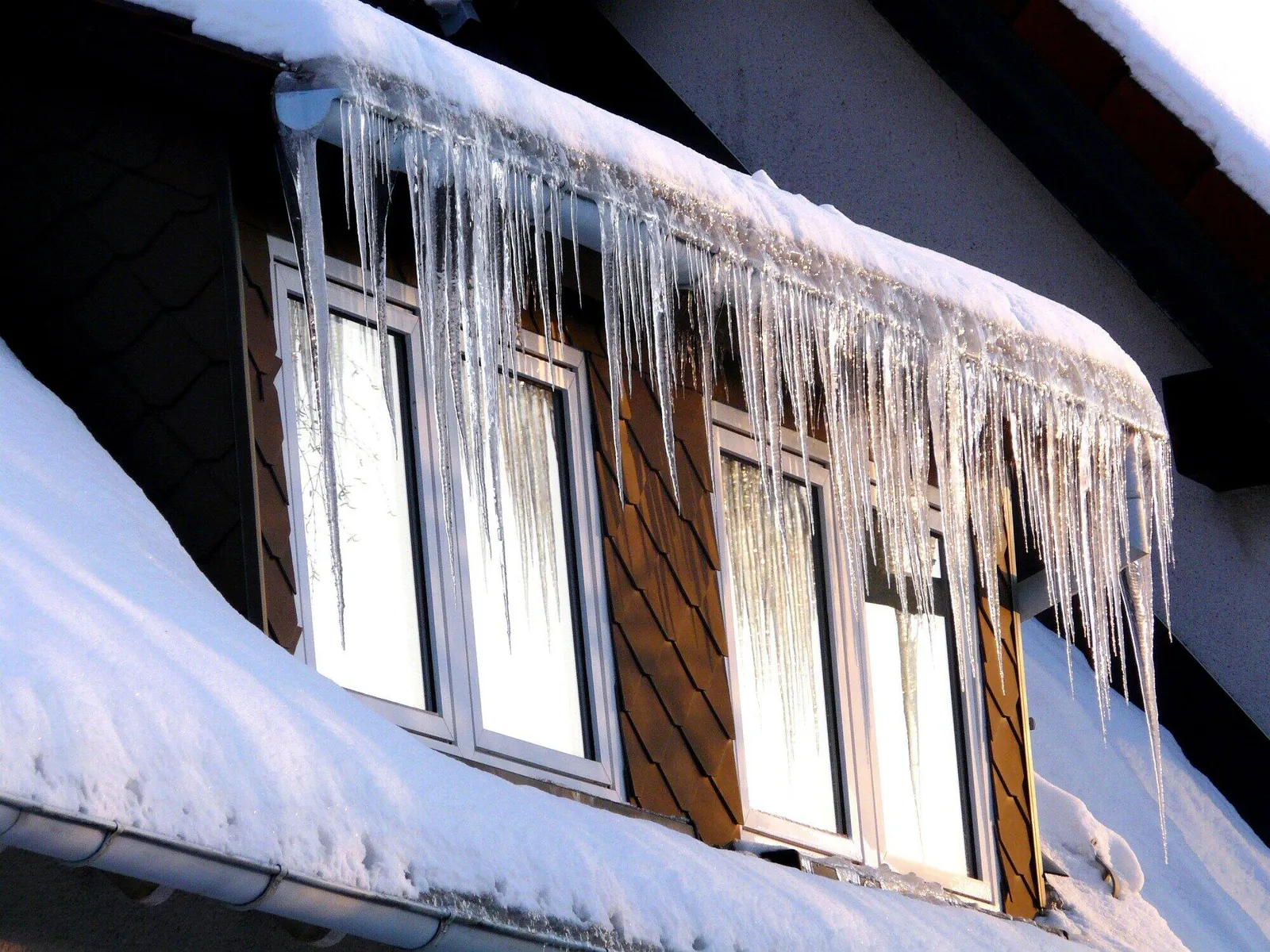
Winter weather tests every part of a residential roof. Heavy snow, strong winds, and sudden temperature changes can place great stress on older roofing materials. Without proper care, these conditions may lead to leaks, water damage, and costly repairs.
Preparing your roof before the first major storm can help prevent these problems and protect your home. Continue reading to discover everything you need to know!
Inspecting Your Roof Before the First Freeze
A careful autumn inspection can reveal small problems before freezing weather makes them worse. Homeowners can use binoculars to check for cracked shingles, loose chimney flashing, and sagging gutters. Spotting these issues early makes it easier to complete repairs before snow and ice arrive.
Exploring roofing options through https://lymanroofing.com/ can also help homeowners choose materials suited to local winter conditions. Roofing experts can inspect the roof deck and suggest upgrades based on regional snow loads. Booking an inspection in the fall also helps avoid long waits for repairs during the busy winter season.
How Freeze-Thaw Cycles Damage Shingles
Repeated freezing and thawing can slowly weaken roofing materials. During the day, sunlight melts snow and ice on the roof. The water can enter small cracks and slip beneath shingle edges. When temperatures drop at night, trapped water freezes and expands.
A recent roofing maintenance checklist explains how these repeated changes can weaken the adhesive strips that hold shingles in place. Once the bonds fail, strong winter winds can lift or tear loose shingle tabs.
Cold weather also makes asphalt shingles more brittle. Industry experts note that this risk increases when temperatures fall below 4 degrees Celsius.
Preventing Ice Dams and Moisture Buildup
Ice dams form when warm air escapes into the attic and heats the roof deck. Snow then melts and runs toward the colder roof edges.
There, the water freezes and forms a ridge of ice. This barrier stops normal drainage and causes water to collect behind it. The trapped water can then move beneath the shingles and leak into the home.
Good attic ventilation helps prevent this problem. A cool attic keeps roof temperatures closer to outdoor conditions, which reduces uneven melting.
Adding insulation to the attic floor also limits heat loss from living spaces. Homeowners should keep soffit vents clear so fresh air can move through the attic without obstruction.
Managing Heavy Snow Loads Safely
Snow adds weight to roof framing and rafters. This becomes a greater concern when several storms occur without a thaw. Roofing professionals estimate that fresh, dry snow weighs about 7 pounds per cubic foot. Older, packed snow can weigh as much as 30 pounds per cubic foot.
Removing excess snow with a long-handled roof rake can reduce this strain. It also limits the amount of snow that later melts and creates moisture problems. Homeowners should avoid climbing onto icy roofs. For heavy buildup or signs of structural stress, a roofing professional can assess the risk and recommend safe removal.
Flat and low-slope roofs need extra care during wet winter weather. Standing water that remains for more than 48 hours can create ponding. When this water freezes, it expands and may damage roofing membranes. Clearing leaves from scuppers and internal drains helps meltwater flow away.
Keep Your Roof Protected All Winter Long
Regular seasonal maintenance protects the roof and the home beneath it. Early inspections, proper ventilation, and safe snow removal can extend roof life and reduce winter damage. A little preparation before the first storm can prevent major repair costs later.
Check out the rest of our articles for more tips.