
Top Cybersecurity Threats to Watch in 2026
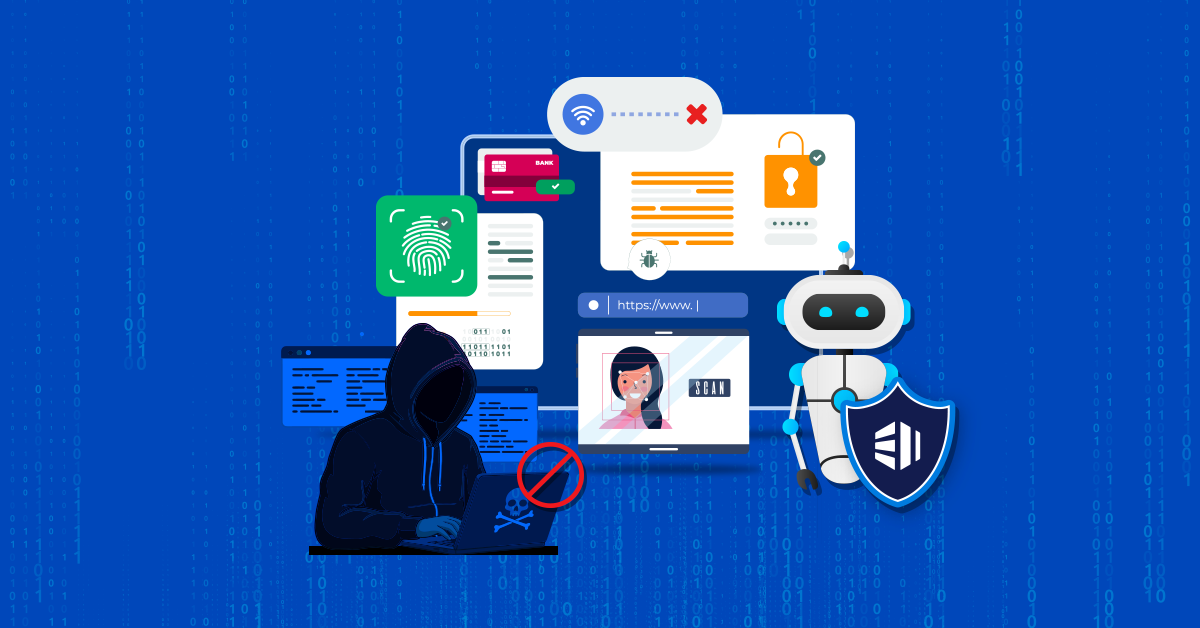
As technology continues to advance, cybersecurity threats are becoming more complex and dangerous. By 2026, businesses and individuals rely even more on digital systems, cloud services, and connected devices. This increased dependence also creates new risks. Understanding the top cybersecurity threats to watch in 2026 helps organizations and users stay prepared and protect their data.
AI-Powered Cyber Attacks
Artificial intelligence is no longer only a defensive tool. In 2026, cybercriminals use AI to launch smarter and faster attacks. AI-powered malware can learn from system behavior and change its methods to avoid detection. These attacks can bypass traditional security systems with ease.
Read: Sole Proprietorship vs LLC vs Partnership
Hackers also use AI to automate phishing campaigns. Fake emails and messages now look more realistic and personalized, making them harder to identify. This makes employee awareness and advanced security tools more important than ever.
Ransomware Evolution
Ransomware remains one of the most serious cybersecurity threats in 2026. Attackers now target entire networks instead of single devices. They often steal data before encrypting systems, creating pressure to pay ransom to avoid public exposure.
Many ransomware groups operate like businesses, offering support and negotiation services. This makes attacks more organized and damaging. Regular backups and strong access controls are essential to reduce this risk.
Cloud Security Risks
Cloud computing continues to grow, but misconfigured cloud environments remain a major weakness. In 2026, many data breaches happen due to poor cloud security settings rather than direct hacking.
Shared responsibility confusion also increases risk. Businesses often assume cloud providers handle all security, while providers expect users to secure their own data. This gap creates opportunities for attackers to access sensitive information.
Internet of Things Vulnerabilities
Smart devices are everywhere, from home appliances to industrial systems. In 2026, insecure Internet of Things devices are a major entry point for cyber attacks. Many devices lack strong passwords or regular updates.
Once compromised, these devices can be used for spying, data theft, or large-scale attacks like botnets. Securing IoT networks and updating firmware regularly is critical for safety.
Supply Chain Attacks
Supply chain attacks target trusted software vendors or service providers. By infecting one supplier, attackers gain access to many organizations at once. In 2026, these attacks become more common and harder to detect.
Businesses depend on third-party software, making supply chain security a top priority. Regular audits and vendor risk assessments help reduce exposure to this threat.
Social Engineering and Deepfake Scams
Human error remains one of the biggest cybersecurity weaknesses. In 2026, social engineering attacks use deepfake technology to trick people. Fake voice calls and videos can impersonate executives or trusted contacts.
These scams often aim to steal money or sensitive data. Training employees to verify requests and recognize suspicious behavior helps prevent such attacks.
Data Privacy and Regulatory Risks
Stricter data protection laws increase pressure on organizations. In 2026, failure to protect user data can result in heavy fines and reputational damage. Cyber attackers often exploit weak compliance practices to access personal data.
Maintaining strong data governance and privacy controls is now essential for legal and security reasons.
Final Thoughts
The top cybersecurity threats to watch in 2026 are more advanced and harder to detect than ever before. AI-driven attacks, ransomware, cloud risks, and social engineering pose serious challenges. Staying informed, investing in modern security tools, and training users are key steps to staying safe in an increasingly digital world.